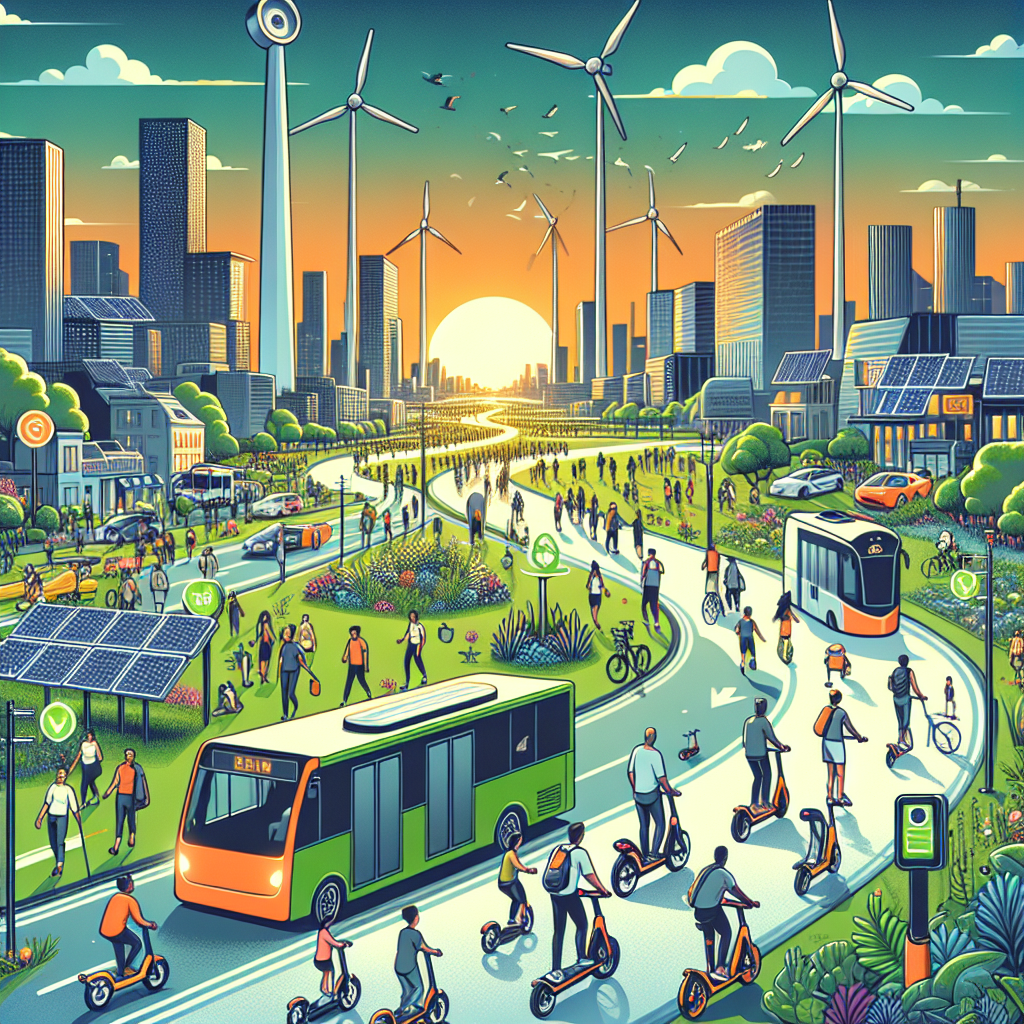
As our cities continue to grow and traffic congestion becomes a major issue, the future of public transportation is more important than ever. Sustainable travel is not only good for the environment, but it also helps to alleviate traffic congestion and improve air quality in urban areas. Cities around the world are increasingly turning to green vehicles and eco mobility solutions to create a more sustainable and efficient public transportation system.
One of the key components of sustainable travel is the use of green vehicles. These vehicles are powered by alternative fuels such as electricity, hydrogen, or biofuels, which produce lower emissions compared to traditional gasoline or diesel-powered vehicles. Electric buses, for example, have become increasingly popular in many cities due to their zero-emission operation and lower operating costs over time.
In addition to green vehicles, cities are also investing in eco mobility solutions such as bike-sharing programs, pedestrian-friendly infrastructure, and improved public transportation networks. These initiatives not only reduce carbon emissions but also promote healthier and more active lifestyles among residents.
One city that has made significant strides in sustainable travel is Copenhagen, Denmark. Known for its extensive network of bike lanes and pedestrian-friendly streets, Copenhagen has been able to reduce car traffic in the city center while encouraging residents to use more sustainable modes of transportation. The city’s bike-sharing program has been particularly successful, with thousands of residents using bikes as their primary mode of transportation each day.
Another example is Singapore, where the government has implemented a comprehensive public transportation system that includes electric buses, hybrid taxis, and an extensive metro network. By investing in green vehicles and eco mobility solutions, Singapore has been able to reduce its carbon footprint while providing residents with convenient and efficient ways to get around the city.
In the United States, cities like San Francisco and Seattle have also made significant progress in promoting sustainable travel. Both cities have invested in electric buses and light rail systems to reduce emissions from public transportation vehicles. San Francisco has even introduced a fleet of electric trolley buses that run on clean electricity generated from renewable sources.
While there is still much work to be done to make public transportation more sustainable in cities around the world, the future looks promising. With advancements in technology and a growing awareness of the importance of reducing carbon emissions, we can expect to see more cities embracing green vehicles and eco mobility solutions in the years to come.
So next time you’re planning your commute or exploring a new city, consider choosing public transportation options that are environmentally friendly. Whether it’s taking an electric bus or hopping on a bike-sharing program, every little bit helps contribute to a greener future for our planet.

Leave a Reply