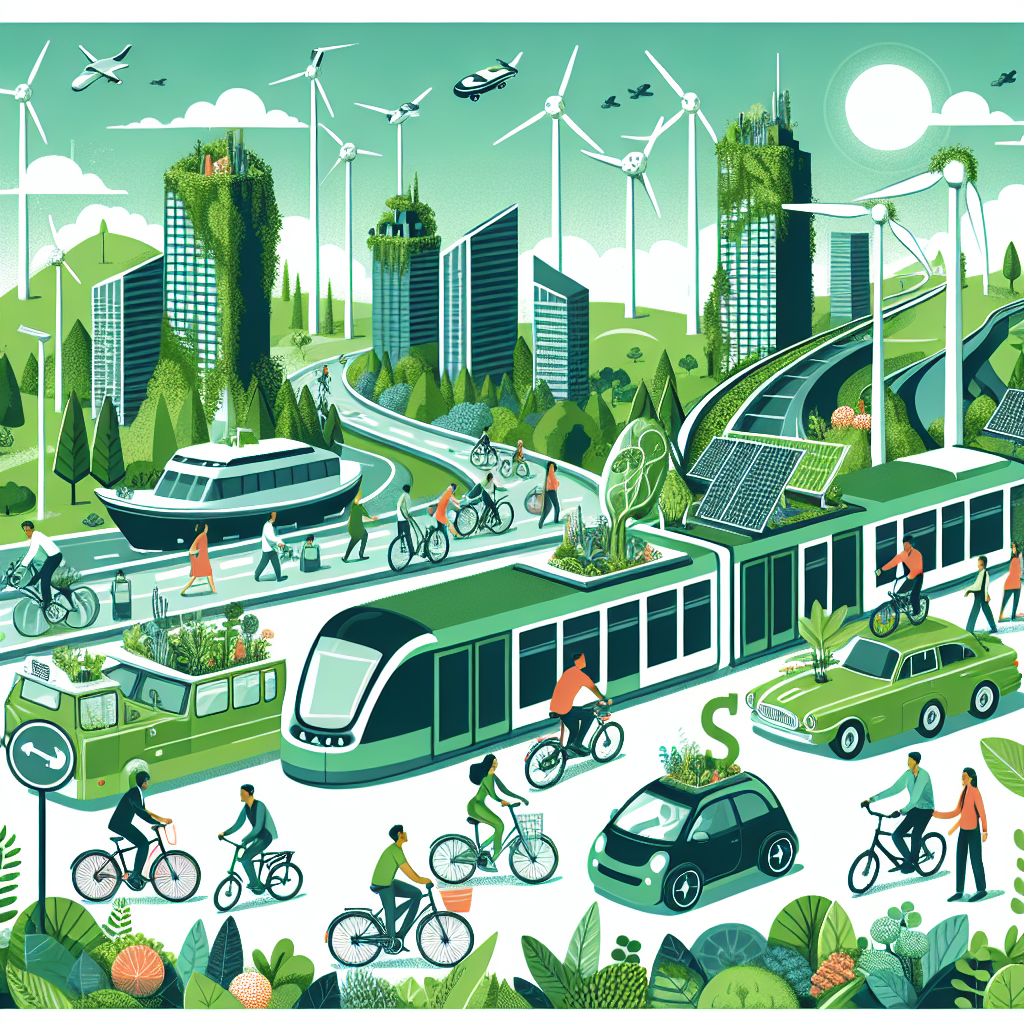
Have you ever considered the environmental benefits of public transportation? Sustainable travel is becoming increasingly important as we strive to reduce our carbon footprint and protect the planet for future generations. By choosing to use public transportation, you can play a crucial role in promoting eco mobility and reducing your impact on the environment.
One of the key environmental benefits of public transportation is its ability to reduce greenhouse gas emissions. Green vehicles such as buses, trains, and trams produce significantly fewer emissions per passenger than individual cars. By opting for public transportation over driving your own vehicle, you can help lower overall carbon emissions and improve air quality in your community.
Another advantage of using public transportation is that it helps to alleviate traffic congestion. When more people choose to ride buses or trains instead of driving, there are fewer cars on the road, leading to smoother traffic flow and reduced gridlock. This not only saves time for commuters but also reduces fuel consumption and emissions from idling vehicles.
Public transportation also promotes sustainable land use by encouraging compact development around transit hubs. By creating walkable neighborhoods with access to public transportation, cities can reduce urban sprawl and preserve green spaces. This not only benefits the environment but also enhances quality of life for residents by providing easy access to amenities and services.
In addition to these environmental benefits, public transportation offers a range of social and economic advantages. It provides affordable and accessible mobility options for people who may not have access to private vehicles, helping to bridge the gap between different socio-economic groups. Public transportation also supports local businesses by increasing foot traffic in commercial areas served by transit routes.
So how can you incorporate sustainable travel into your daily routine? One simple way is to make use of public transportation whenever possible. Whether you’re commuting to work, running errands, or heading out for a night on the town, consider taking a bus or train instead of driving. Not only will you be reducing your carbon footprint, but you’ll also be supporting a more sustainable mode of transport.
If public transportation isn’t readily available in your area, there are still ways to promote eco mobility in your community. Carpooling with friends or coworkers, biking or walking for short trips, and using ride-sharing services are all great alternatives to driving alone. By making small changes to your travel habits, you can make a big difference in reducing emissions and protecting the environment.
In conclusion, sustainable travel through public transportation offers numerous environmental benefits that contribute to a cleaner, healthier planet. By choosing green vehicles over personal cars and promoting eco mobility in our communities, we can all play a part in creating a more sustainable future for generations to come.

Leave a Reply